Ulrich Albrecht · 3 November 2026
Mapping Legacy Code Preservation Tactics Across Independent Online Ventures
Independent online ventures often maintain codebases developed years earlier while they continue to deliver services to users, and mapping preservation tactics requires careful examination of how these projects handle outdated structures without disrupting operations. Data from various industry reports shows that small teams allocate significant resources to tracking dependencies and documenting original architectures, since many ventures operate with limited staff yet face growing demands for compliance and accessibility. Observers note that legacy code in these settings typically includes languages and frameworks no longer supported by major vendors, which creates specific hurdles when updates become necessary. Studies indicate that ventures succeed when they establish inventories early, cataloging every module along with its external connections and runtime requirements. This approach allows teams to prioritize which components receive full migration versus those kept in stable isolation.Core Identification Processes Used by Ventures
Teams begin by scanning repositories to locate deprecated functions and third-party libraries that no longer receive security patches, and researchers have documented how automated tools combined with manual review produce accurate maps of these elements. Ventures frequently employ static analysis programs that generate reports listing every call to obsolete APIs, while developers cross-reference those outputs against runtime logs collected over multiple quarters.
Documentation practices play a central role here because incomplete records lead to repeated troubleshooting cycles, and evidence from preservation projects reveals that ventures maintaining version histories alongside change logs experience fewer recovery delays during system audits. One documented case involved a content platform that reconstructed its original database schema after five years by combining archived commit messages with user-submitted error reports.
Practical Tactics for Sustaining Code Integrity
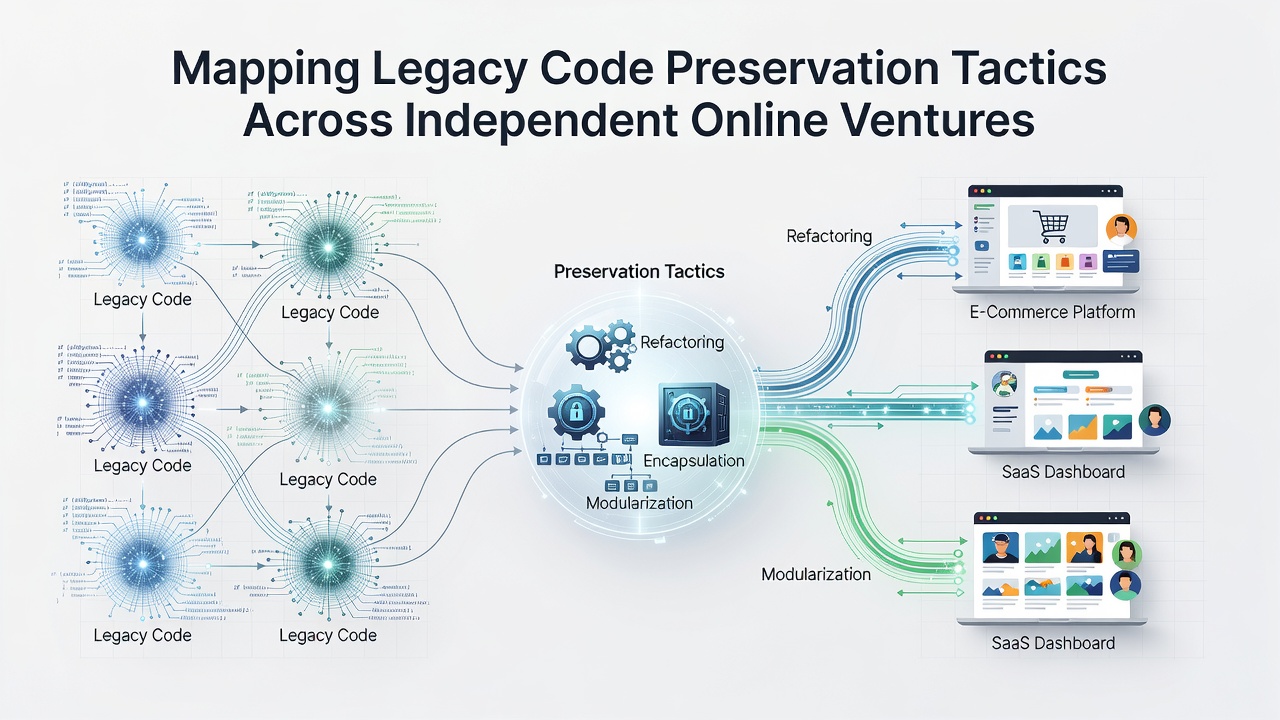
Containerization stands out as a widely adopted method because it packages legacy applications with their exact dependencies, allowing execution on current hardware without altering source files, and data shows increased adoption rates among independent operators since 2023. Emulation environments provide another layer by simulating older operating systems, which proves useful when ventures must demonstrate compliance with historical data standards during regulatory reviews.
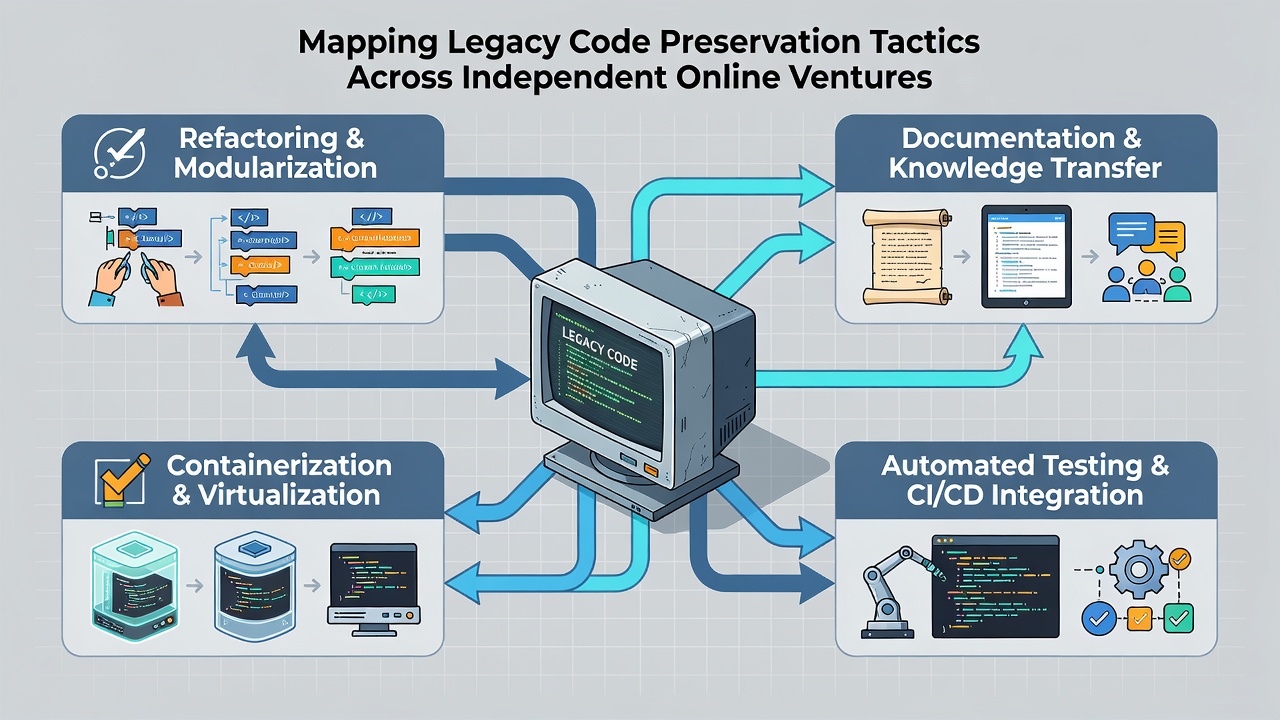
Metadata tagging further supports these efforts by attaching descriptive attributes to each preserved file, including creation dates, original authors, and known limitations, while organizations such as the Library of Congress digital preservation program publish guidelines that many ventures adapt for their own inventories. Snapshot strategies create periodic full copies stored across multiple geographic locations, reducing risk from single-point failures, and figures from archival studies confirm that distributed backups correlate with higher long-term accessibility rates.
Integration Patterns Observed in Recent Projects
Many ventures layer modern interfaces over preserved cores rather than replacing entire systems, which preserves business logic while enabling new user features, and reports from academic research centers highlight successful implementations where API gateways handle communication between updated front ends and stable back ends. Hybrid models also appear frequently, where only performance-critical sections receive updates while surrounding code remains untouched.
November 2026 brings scheduled reviews of several international digital preservation frameworks that may influence how independent projects structure their mapping efforts going forward, and participants in related working groups have already begun testing updated metadata schemas against existing code collections. Ventures tracking these developments adjust their documentation practices in advance to maintain compatibility with emerging recommendations.
Challenges and Documented Responses
Resource constraints remain a persistent issue because small teams must balance preservation work against feature development and customer support, yet successful cases demonstrate that incremental mapping sessions scheduled alongside regular maintenance reduce overall effort. Knowledge transfer gaps arise when original developers depart, prompting ventures to implement pair-review sessions and recorded walkthroughs that capture decision rationales in real time.
External references such as those compiled by the International Council on Archives supply additional frameworks that help standardize responses across regions, and cross-project collaborations allow smaller operators to share tested scripts for dependency tracking without duplicating research investments.
Conclusion
Mapping legacy code preservation tactics across independent online ventures reveals consistent patterns centered on systematic inventory creation, containerized execution, and distributed storage combined with detailed metadata practices. These methods enable continued operation of older systems while supporting gradual modernization, and ongoing international framework updates scheduled through late 2026 will likely shape further refinements in how ventures document and protect their foundational code assets.