Harper Wagner · 22 September 2026
Examining Integration Hurdles When Shifting Legacy Digital Tools to Cloud-Based Preservation Frameworks
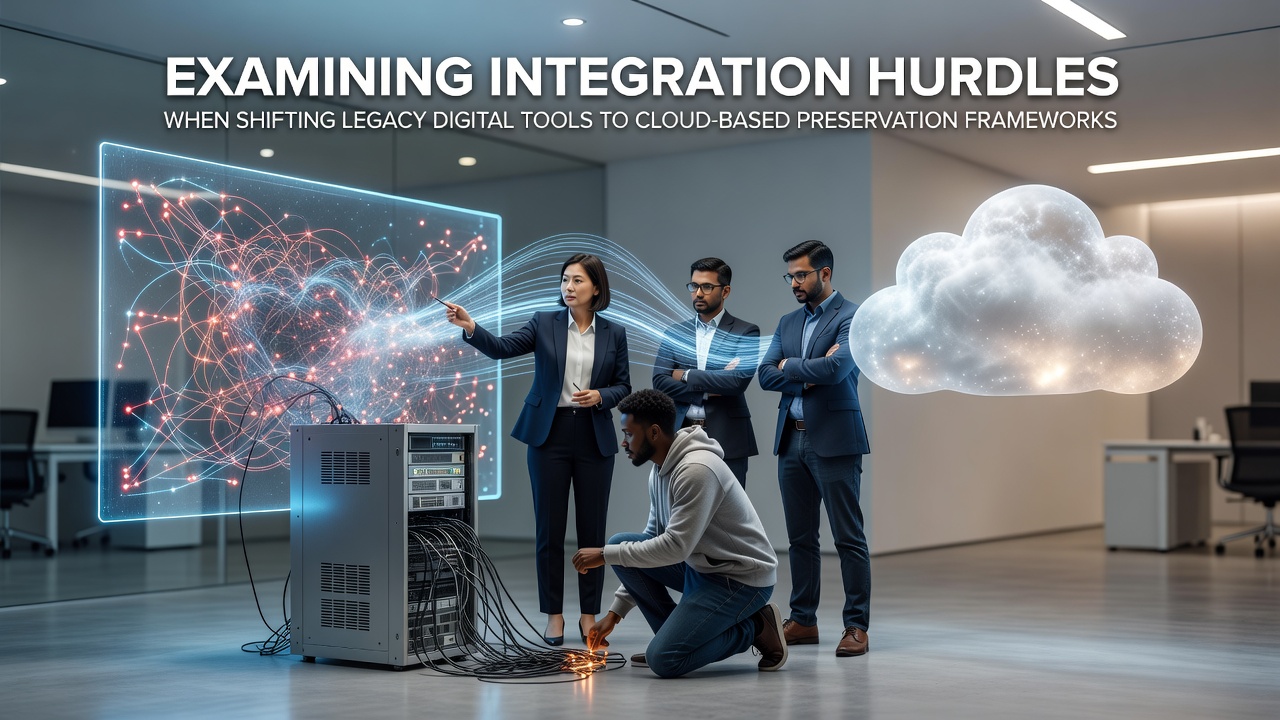
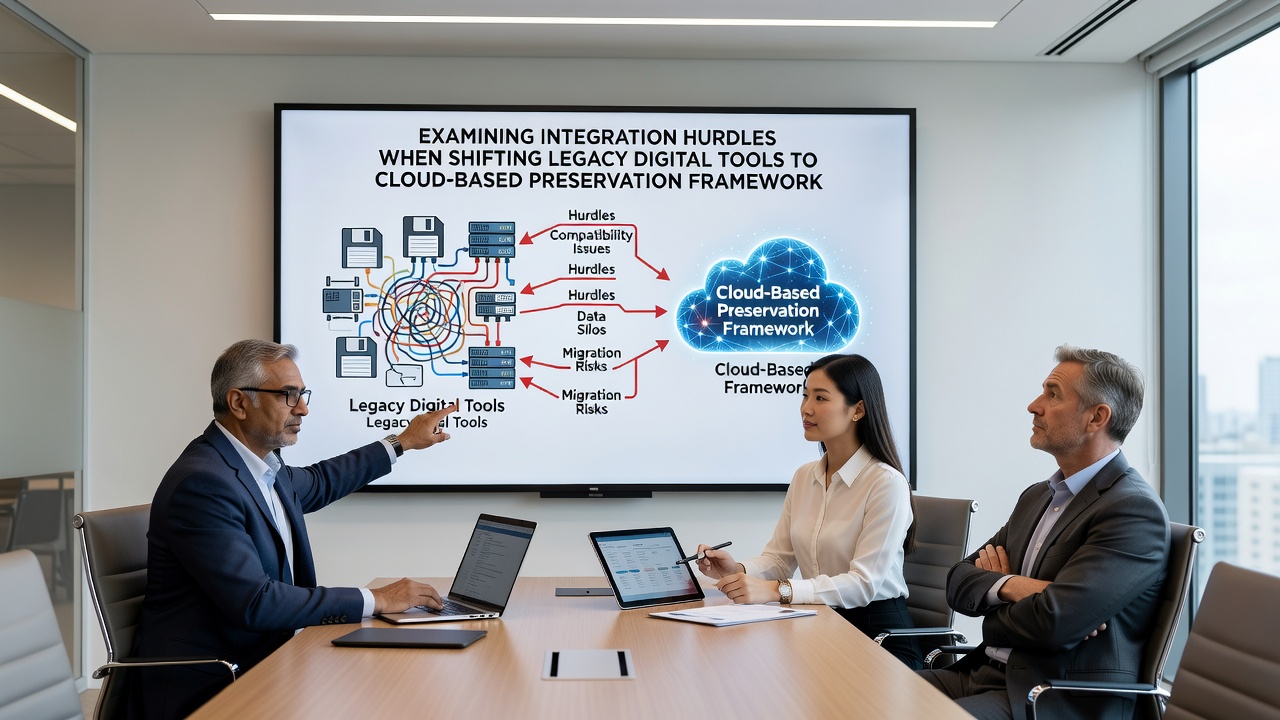
Organizations continue to confront substantial technical and procedural obstacles when moving established digital assets into contemporary cloud environments designed for long-term retention. Research from multiple institutions highlights recurring patterns in data format incompatibilities, API mismatches, and metadata mapping difficulties that surface during these transitions. Data indicates legacy systems often rely on proprietary formats developed decades earlier, which resist straightforward conversion to open standards required by cloud preservation platforms. Those who manage institutional archives report extended timelines for validation testing because even minor discrepancies in file structures can trigger cascading errors across entire collections. What's interesting is how these issues compound when organizations attempt batch processing without customized middleware.Technical Compatibility Barriers
Legacy tools frequently operate on outdated operating systems and database schemas that lack native support for current cloud orchestration layers. Studies conducted across North American research libraries show that nearly 60 percent of migration projects encounter at least one critical compatibility failure during initial transfer phases. Observers note that emulation layers sometimes provide temporary bridges, yet they introduce performance overhead that affects retrieval speeds for large-scale users.
Integration with preservation frameworks such as those aligned with the Open Archival Information System reference model demands precise mapping of descriptive, structural, and administrative metadata. When source systems store this information in fragmented tables or embedded headers, automated extraction routines require extensive scripting and manual review. Figures reveal that manual intervention can increase project costs by 30 to 45 percent depending on collection size.
Security and Compliance Requirements
Cloud preservation environments must satisfy evolving regulatory frameworks governing data residency and access controls. Australian government guidelines on digital recordkeeping emphasize encryption standards and audit logging that many older tools cannot generate without significant modification. Experts have observed that organizations operating under multiple jurisdictions face additional layers of complexity because requirements differ between regions.
Access management protocols also present hurdles. Legacy authentication mechanisms rarely align with modern identity federation services used by cloud providers, forcing teams to redesign permission structures while maintaining chain-of-custody documentation. Data shows that incomplete audit trails during migration have delayed certification processes for several public-sector institutions.
Organizational and Resource Constraints
Staff expertise gaps frequently slow progress because teams familiar with legacy systems often lack experience with containerization and infrastructure-as-code practices common in cloud deployments. Research indicates that cross-training programs require six to nine months before productivity returns to baseline levels. Budget cycles add another layer because preservation initiatives compete with operational priorities for limited funds.
One case documented by Canadian academic consortia involved a university library that needed three separate vendor consultations before achieving stable integration between a 1990s document management platform and a commercial cloud archive service. The process exposed undocumented dependencies that required reverse engineering of original codebases.
Current Developments and September 2026 Outlook
Industry reports scheduled for release in September 2026 are expected to provide updated benchmarks on successful migration strategies across European and Asian institutions. Preliminary findings shared at recent conferences suggest that hybrid approaches combining on-premises validation servers with cloud storage layers reduce risk profiles compared with full cutover models.
Standards bodies continue refining interoperability specifications, yet adoption rates vary widely. Those who've studied prior transitions note that organizations investing in modular adapter layers achieve more consistent results than those pursuing wholesale replacement.
Conclusion
Integration hurdles in shifting legacy digital tools to cloud-based preservation frameworks center on format compatibility, metadata integrity, security alignment, and resource allocation. Evidence from ongoing projects demonstrates that systematic assessment of existing dependencies combined with phased testing produces measurable improvements in outcomes. Continued monitoring of emerging standards will shape how institutions address these challenges in coming years.